Indoor or Outdoor Storage? The Smart Way to Choose the Right Unit for Your Belongings

Indoor and Outdoor Storage

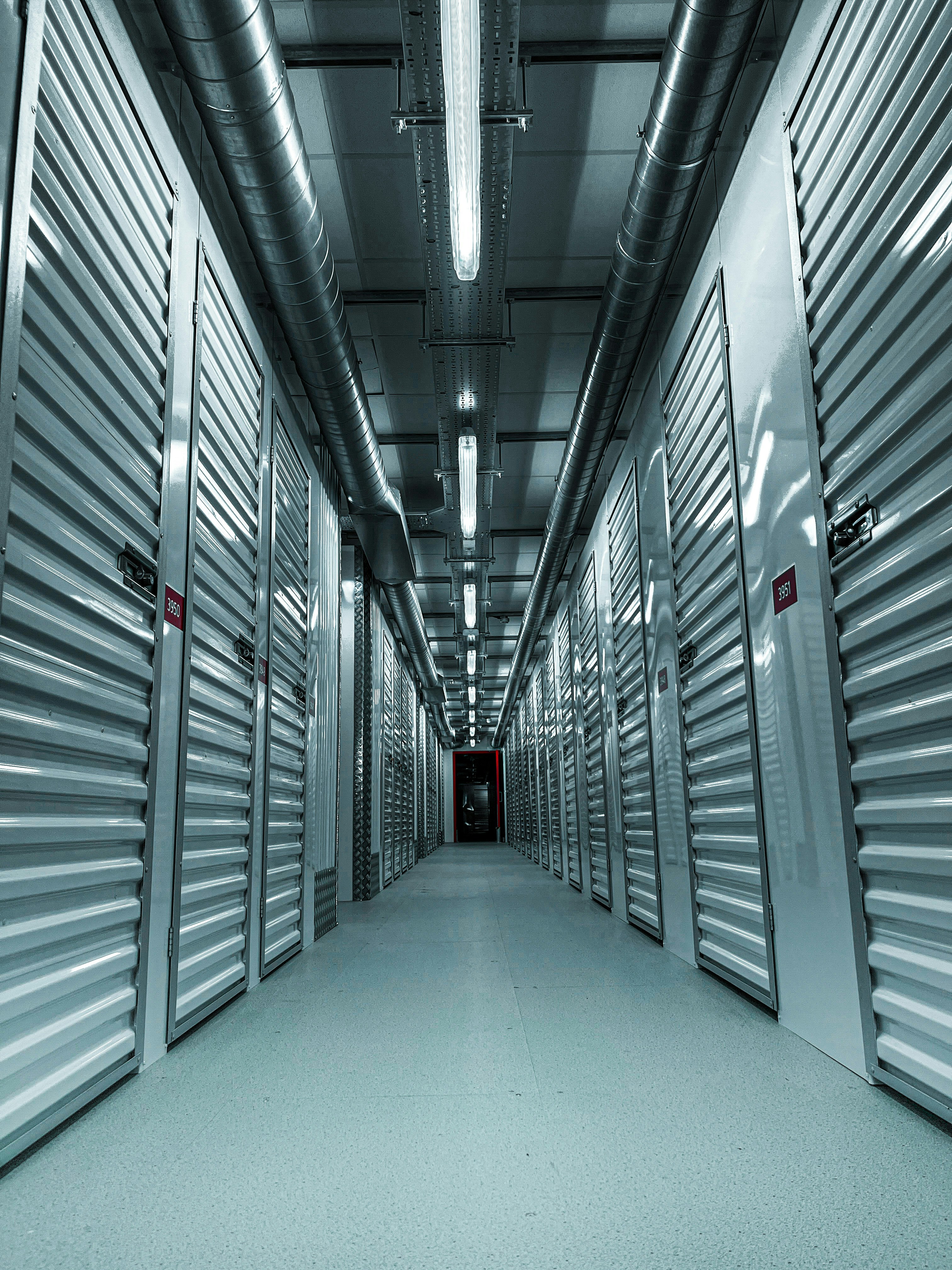
When people begin searching for storage, one of the first questions they encounter is whether an indoor or outdoor storage unit will better suit their needs. At first glance, the difference may seem simple. One unit is located inside a building, while the other offers direct exterior access. However, once you start evaluating the items you plan to store, how frequently you'll need access, and how long those belongings may remain in storage, the decision becomes much more important. Choosing the right storage unit can help protect valuable belongings, improve convenience, and even make organizing your home or business significantly easier. Whether you are storing household furniture, recreational equipment, business inventory, or sentimental keepsakes, understanding the strengths of each option can help you make a more informed choice. National Storage offers a variety of storage solutions throughout the Midwest, including: Storage options in Michigan Storage options in Ohio Storage options in Indiana Storage options in Kentucky As you compare your options, it helps to think beyond square footage alone. While size certainly matters, the environment surrounding your belongings often plays an equally important role. A storage unit that works perfectly for lawn equipment or business supplies may not be the ideal choice for antiques, family heirlooms, or sensitive electronics. Key Points for Readers Short on Time Indoor storage units provide an additional layer of protection and are often preferred for valuable or sensitive belongings. Outdoor storage units offer convenient drive-up access that makes loading and unloading faster. The right storage choice depends on what you are storing, how often you need access, and how long you plan to rent the unit. Recreational equipment commonly used throughout Michigan, Ohio, Indiana, and Kentucky may benefit from different storage solutions depending on usage. Understanding the advantages of each option can help you maximize both convenience and long-term value. Why Your Storage Environment Matters More Than You Might Think Many renters focus primarily on finding enough space for their belongings. While that is certainly important, the environment surrounding those items can have a major impact on their condition ...


Alicia Aguirre
June 22nd, 2026


From First Pressings to Family Favorites: How to Store Vinyl Records Long Term Without Losing Their Sound


Vinyl Storage

Vinyl records have experienced an incredible resurgence over the past decade. While streaming services offer convenience, many music lovers still appreciate the rich sound, large-format artwork, and hands-on experience that records provide. For some collectors, vinyl represents decades of memories. For others, it is a growing hobby built around discovering new artists, hunting for rare pressings, and preserving pieces of music history. As collections continue to grow, however, storage quickly becomes a challenge. Shelves fill up, living spaces become crowded, and valuable albums can end up stacked in less-than-ideal locations. When records are not stored properly, they become vulnerable to warping, dust buildup, damaged jackets, and other forms of deterioration that can permanently affect both their value and listening quality. That is why long-term storage requires more than simply placing albums in a box and forgetting about them. Whether you have a modest collection of favorite records or thousands of albums accumulated over many years, understanding how to store vinyl correctly can help preserve both their condition and their sound. For collectors looking to create additional space while keeping treasured belongings protected, National Storage offers convenient storage options in Michigan, Ohio, Indiana, and Kentucky. The good news is that preserving vinyl is not complicated. A few smart storage habits can make a significant difference in how your collection ages over time. Key Points for Readers Short on Time Always store records vertically rather than stacking them flat. Protect albums with both inner sleeves and outer sleeves. Keep vinyl away from excessive heat and direct sunlight. Clean records before placing them into long-term storage. Periodically inspect your collection to catch potential issues early. Why Vinyl Records Require Special Storage Considerations Unlike many household items, vinyl records are surprisingly sensitive to their environment. Although records are durable enough to be played repeatedly for decades, they can also suffer permanent damage when stored incorrectly. One of the biggest misconceptions among new collectors is that records can simply be treated like books. While both may sit on shelves, vinyl records are made from ...


Alicia Aguirre
June 22nd, 2026


Your Favorite Books Deserve Better: The Right Way to Store Books in a Storage Unit


Books Storage

Books have a unique way of staying with us long after we've finished reading them. Some remind us of our favorite vacations, college courses, childhood adventures, or important life milestones. Others become treasured collections that grow over time, filling bookshelves with stories, knowledge, and memories. Because of their sentimental and practical value, books deserve thoughtful care whenever they need to be placed into storage. Unfortunately, many people assume books can simply be packed into boxes and forgotten about until they're needed again. However, paper is far more delicate than it appears. Changes in moisture levels, improper packing methods, pests, dust accumulation, and excessive pressure can all cause lasting damage. Once pages begin to warp or mold develops, restoration becomes difficult and often expensive. Fortunately, protecting a book collection is not complicated when you understand the right approach. If you're storing a small personal library or hundreds of volumes, following a few proven techniques can help preserve your books for years to come. For those seeking storage throughout the Midwest, National Storage offers convenient storage options in Michigan, Ohio, Indiana, and Kentucky. Key Points for Readers Short on Time Clean books before packing them into storage. Use sturdy boxes that protect books without becoming too heavy. Store books upright whenever possible to protect their bindings. Keep books away from moisture and direct contact with floors. Organize and label boxes so collections remain accessible over time. Why Books Require Special Attention in Storage At first glance, books may seem like one of the easiest household items to store. They don't contain electronics, they don't have moving parts, and many appear durable enough to withstand years of neglect. Yet books are made primarily from paper, adhesives, cloth, leather, and ink, all of which naturally deteriorate when exposed to poor storage conditions. Over time, environmental factors can slowly affect a collection. Moisture may cause pages to ripple or stick together. Dust can settle deep into bindings. Heavyweight can permanently distort covers and spines. Even books that appear fine from the outside can ...


Alicia Aguirre
June 22nd, 2026


Your Leather Sofa Deserves Better: Expert Storage Strategies That Help Leather Furniture Stay Beautiful for Years


Leather Furniture

Leather furniture has a way of becoming one of the most valued pieces in a home. A well-crafted leather sofa, recliner, or accent chair often serves as a gathering place for family conversations, quiet evenings, and memorable occasions. Because leather is known for its durability and timeless appearance, many homeowners assume it can withstand almost anything. However, when it comes to long-term storage, leather requires a bit more attention than many other furniture materials. Unlike synthetic upholstery, leather is a natural material that reacts to its environment. Changes in air quality, moisture levels, and storage conditions can all affect its appearance and longevity. As a result, proper preparation and storage practices are essential for protecting your investment and helping it maintain its beauty for years to come. Throughout the Midwest, homeowners frequently use self-storage during home renovations, relocations, estate transitions, or major decluttering projects. Whether you are researching storage options in Michigan, Ohio, Indiana, or Kentucky, understanding how to properly store leather furniture can make a significant difference in its long-term condition. Fortunately, preserving leather furniture in storage is not complicated. With the right preparation, thoughtful placement, and ongoing care, you can help ensure that your furniture emerges from storage looking just as impressive as it did when it was first packed away. Key Points for Readers Short on Time Clean leather furniture thoroughly before placing it into storage. Apply a quality leather conditioner to help prevent drying and cracking. Use breathable covers instead of plastic wrap whenever possible. Keep furniture elevated and allow space for airflow throughout the unit. Inspect stored furniture periodically to identify potential issues early. Why Leather Furniture Requires a Different Storage Approach Many furniture materials can tolerate a wide range of storage conditions without showing immediate signs of damage. Leather, however, behaves differently. Because it is a natural material, it continues to respond to its surroundings even while sitting unused inside a storage unit. Over time, leather naturally loses some of the oils that help maintain its softness and flexibility. When furniture is placed ...


Alicia Aguirre
June 22nd, 2026


Why Climate-Controlled Storage Matters for Photographs


How to Pack Pictures and Photo Albums for Moving or Storage

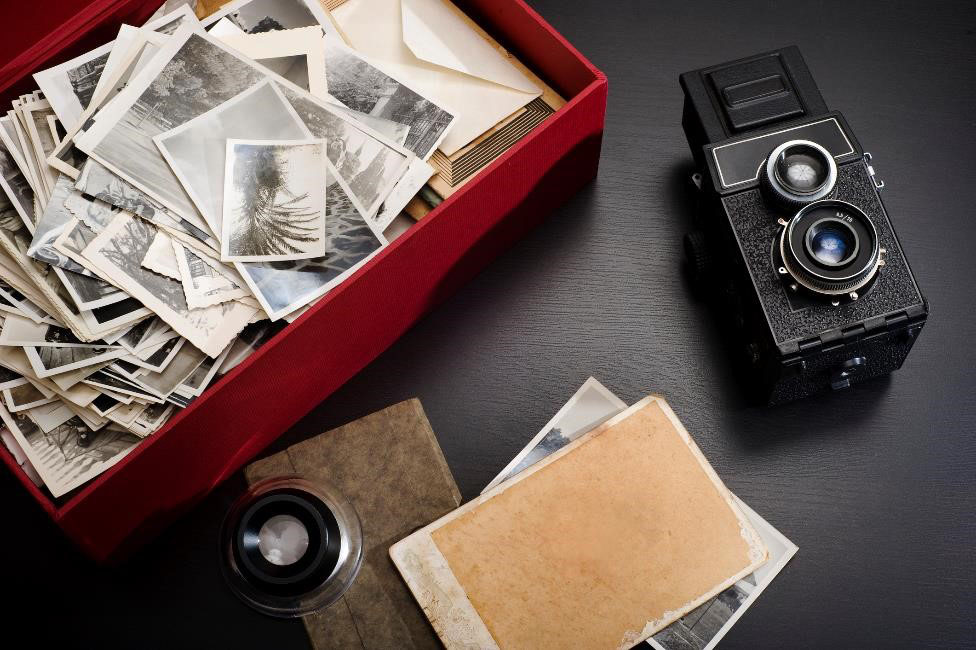
Photographs and photo albums are particularly vulnerable to environmental changes. Excessive heat, humidity, and fluctuating temperatures can cause photographs to fade, stick together, warp, or develop mold over time. If you're planning to store family photos, scrapbooks, or albums for several months or years, consider using a climate-controlled storage unit. Maintaining a more stable environment helps protect delicate materials from moisture damage and deterioration. This is especially important for older photographs, negatives, slides, and professionally printed images that may be difficult or impossible to replace. Your photos represent your memories in physical form—which is why it’s important to understand how to store pictures properly. Knowing how to pack photo frames, their contents, and other photo-related memorabilia helps you preserve those precious memories for decades to come. Whether you need to know how to pack pictures for moving or just want to free up space in your home, follow these tips to keep your photos in tip-top shape. Create Digital Backups Before Moving or Storing Photos Before packing photographs for a move or placing them into storage, consider creating digital copies of your most important images. Scanning photographs and photo albums provides an additional layer of protection in case of unexpected damage, loss, or deterioration. Many smartphone apps and scanners make it easy to digitize printed photos, preserving family memories while making them easier to share with future generations. While digital backups shouldn't replace proper storage practices, they can provide valuable peace of mind for irreplaceable family keepsakes. Organizing Your Photos Many of us have photos stored in random places around our homes or in self storage units. Gather them all, and set aside a few hours to sort through and organize them. You might want to tackle this task alone; while getting the whole family involved makes for great bonding time, it also tends to slow the process. Decide whether any photos can be converted to digital form to save space. How to Store Old Photographs and Vintage Photo Albums Older photographs often require additional care because ...


Alicia Aguirre
June 19th, 2026


What Is the Best Long-Term Storage Solution?


What Is the Best Long-Term Storage Solution?

Choosing the right storage solution is only part of the equation. Proper preparation can significantly extend the life of your belongings and help prevent damage during long-term storage. Before placing items into storage: Clean and dry all belongings thoroughly. Empty appliances and allow them to air out completely. Use sturdy boxes and quality packing materials. Label containers clearly for easier retrieval later. Disassemble large furniture when possible to save space. Cover furniture with breathable materials rather than plastic sheeting. Store items off the floor using pallets or shelving when appropriate. Taking these extra steps can help protect your belongings, whether they remain in storage for a few months or several years. From moving abroad for an extended period to storing seasonal items for the foreseeable future, plenty of life circumstances may leave you needing long-term storage space. Whether you’re able to find that space at home or with the help of a storage unit near you, determining the best way to store everything away is no small endeavor. As your trusted storage and packing pros, National Storage offers the following tips to help you discover the most convenient long-term storage solution for your needs. Long-Term Storage Tips for Homes Are you finally cleaning out your closet and bringing those old clothes up to the attic? Moving some photo albums, movies, records, and other treasured memories and media down to the basement? From household appliances, furniture, and equipment to sentimental or seasonal belongings, the items you store at home should be properly packed with their longevity in mind. If you’re keeping everything at home, consider these long-term storage tips: Pack properly. It seems simple, but we can’t stress it enough. Fill each box with excess material to prevent movement and damage, and stack boxes and tubs securely. Use the right materials. Purchase new boxes that are sturdy and structurally sound. Make sure delicate and breakable items are packed using protective wraps and materials as necessary, such as bubble wrap, crumpled newspaper, or mattress covers. Store clothes in plastic bins or wardrobe boxes in a dry, ...


Alicia Aguirre
June 19th, 2026


First Time Storage Rental Tips


First Time Storage Rental Tips

One of the most common mistakes first-time renters make is selecting a unit that's either too large or too small. Before renting, create a list of the items you plan to store. Consider whether you'll need room to access items during your rental period or if everything will remain in place until move-out day. As a general guideline: Small units work well for boxes, seasonal items, and small furniture. Medium units can often accommodate the contents of a one-bedroom apartment. Larger units are ideal for multi-room homes, business inventory, or large furniture collections. If you're unsure what size you need, facility staff can often help estimate the appropriate unit based on your inventory. If you are a first-time storage unit renter, you may be looking for some tips to make the process of renting a storage unit as easy as possible. In this post, we’ll cover some basic storage unit tips to ensure you’re getting the most out of your storage unit rental! Consider Whether Climate-Controlled Storage Is Worth It Many first-time renters focus only on price, but climate-controlled storage may be worth considering depending on what you're storing. Climate-controlled units help maintain more consistent temperatures and humidity levels throughout the year. This added protection can be beneficial for: Electronics Wooden furniture Artwork Photographs Musical instruments Important documents Antiques and collectibles If you're storing items for an extended period, climate-controlled storage can help reduce the risk of moisture damage, warping, and deterioration. What Kind of Items Will You Be Storing? Before you rent a storage unit, it is important to know what kinds of items you will be storing. If you will be storing items that are sensitive to fluctuations in temperature, you’ll want to consider renting a climate-controlled storage unit. Items that are sensitive to fluctuations in temperature include leather or wooden furniture, appliances, electronics, and documents. This by no means covers the list of items that should be stored in a climate-controlled storage unit, and if you’re unsure whether your belongings require a climate-controlled storage unit, contact the storage manager at your facility. Pack Your Storage ...


Alicia Aguirre
June 19th, 2026


Your Boat and RV Aren't Just Weekend Toys: How Smart Storage Can Help Protect Their Value for Years
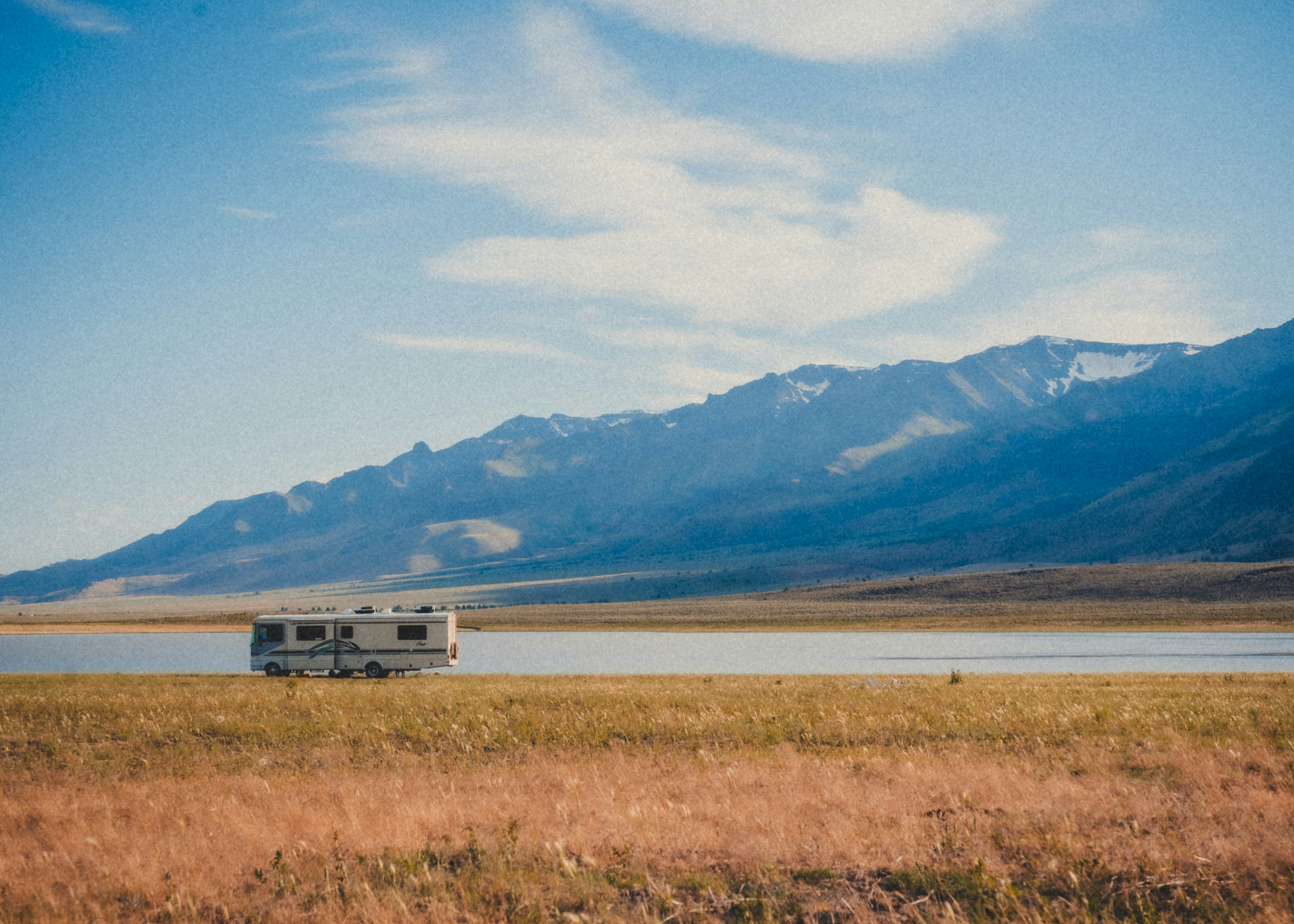

For many families and outdoor enthusiasts, a boat or RV is one of the largest recreational purchases they will ever make. These vehicles create opportunities for unforgettable experiences, whether that means exploring Michigan's Great Lakes shoreline, spending weekends at Kentucky's popular lake destinations, visiting campgrounds throughout Indiana, or discovering Ohio's extensive network of parks and recreation areas. However, while many owners focus heavily on maintenance schedules, upgrades, and trip planning, they often overlook one of the most important factors affecting the long-term condition of their investment: storage. The reality is that boats and RVs spend far more time parked than they do being used. As a result, where and how they are stored can have a significant impact on their appearance, performance, maintenance requirements, and overall value. Proper storage helps reduce unnecessary wear while creating conditions that support a longer lifespan for the vehicle as a whole. For owners seeking convenient storage options in Michigan, Ohio, Indiana, and Kentucky, understanding the connection between storage and depreciation can help guide smarter ownership decisions for years to come. Key Points for Readers Short on Time Boat and RV depreciation is inevitable, but poor storage habits often accelerate the process. Long-term storage helps protect exterior finishes, tires, batteries, roofing materials, and interior components. Consistent storage can reduce maintenance costs and improve future resale opportunities. Recreational vehicle owners throughout Michigan, Ohio, Indiana, and Kentucky often benefit from dedicated storage between adventures. Storage works best when combined with routine maintenance and preventative care. Why Depreciation Matters More Than Most Owners Realize Every vehicle depreciates. Boats and RVs are no exception. In fact, many recreational vehicles lose a noticeable portion of their value during the first several years of ownership. While depreciation is often viewed as unavoidable, the rate at which value declines is not entirely outside an owner's control. Condition plays a major role in determining resale value, and condition is directly influenced by how a vehicle is maintained and stored throughout its life. When prospective buyers evaluate a used boat or RV, ...


Alicia Aguirre
June 19th, 2026


Things You Should NOT Put in a Self Storage Unit


If you’re in a hurry, here’s the TL;DR: What NOT to Store in Your Self-Storage Unit Perishables or food items: even dry or canned goods can spoil, attract pests, and cause odors. Hazardous or flammable materials: such as gasoline, paint, solvents, propane, and aerosols. They pose serious safety risks. Living things: including plants, pets, or people—storage units lack ventilation and sunlight. Illegal or stolen items: prohibited and could result in criminal consequences. Weapons & ammunition: most facilities ban firearms and related items for liability reasons. Important documents and irreplaceable valuables: such as passports, legal papers, photos, heirlooms, jewelry, and cash. Better kept in a home safe or bank safety deposit box. Scented or damp items: scents (candles, incense, strongly fragranced items) can linger or attract pests; damp items encourage mold and mildew. Wet items or damp containers: should be fully cleaned and dried before storing to avoid mold and damage. Unregistered or inoperable vehicles: only operable, registered vehicles in the renter’s name may be allowed, depending on facility rules. Clutter or items you don’t need: avoid paying monthly storage for unnecessary stuff. Before we begin, our Ultimate Self Storage Guide offers a comprehensive look at all things storage and can help you with everything you need to know—from choosing the right unit size to understanding the costs, features, and what to expect during move-in. It also covers common questions, tips for maximizing your space, and how to avoid common packing and moving mistakes. National Storage is here to make sure you know all the ins and outs so you can find the best rental for your needs! However, there are some things you should not put in a self-storage unit.  Each storage facility will have a list of “banned” items. Make sure that you follow that list and read your contract at the time of rental. Placing any of the items that are on the banned list could get you fined or even arrested. Before you rent a storage unit, make sure that you know what items should not be stored in your unit. ...


Alicia Aguirre
June 19th, 2026


How to Store Tools Properly


How to Store Tools Properly

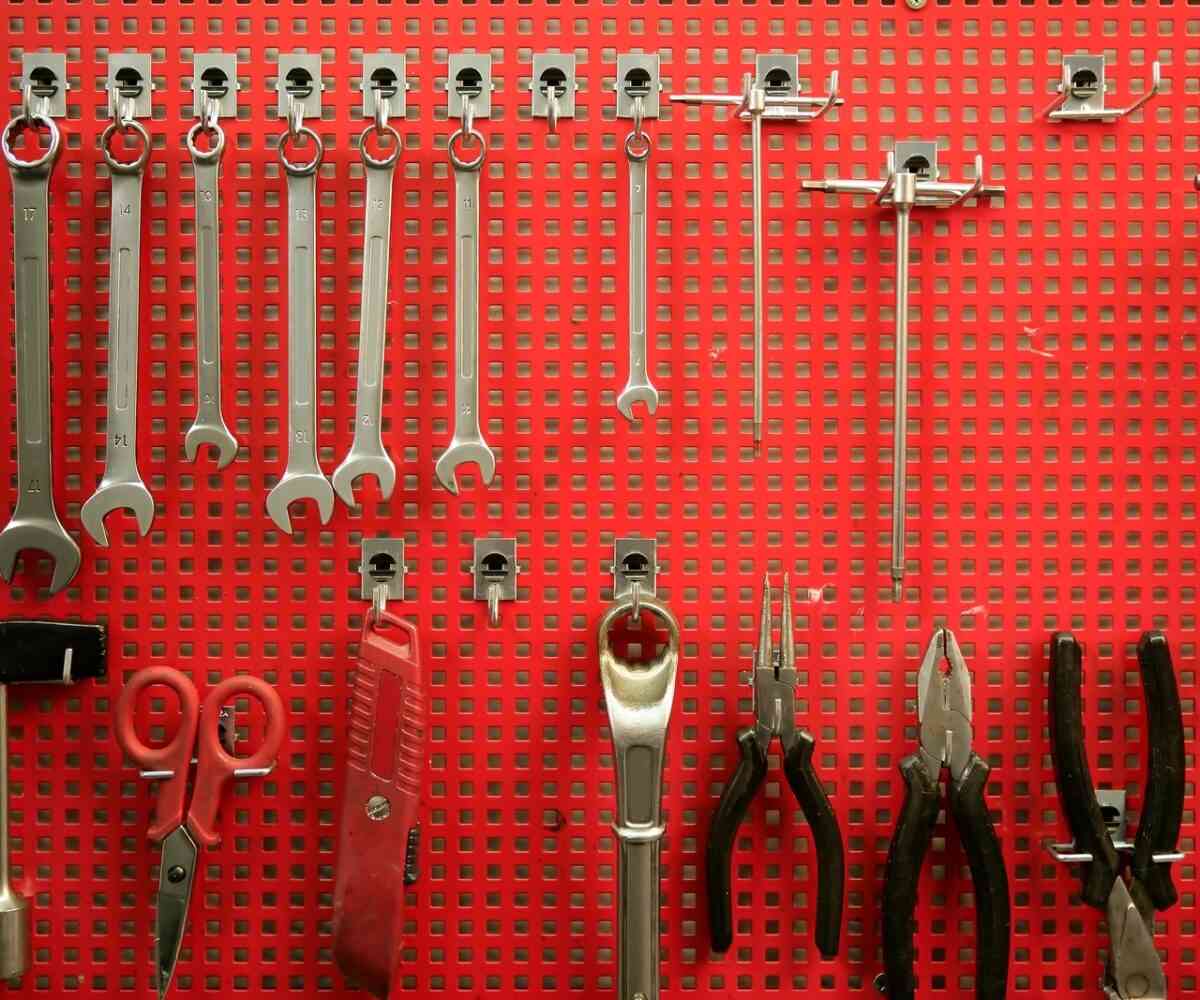
If you’re like most people, you probably have a wide variety of tools stored in various places around the house. Maybe you have random screwdrivers and hammers stored in the basement, garden tools like rakes and hoes in the garage, and power tools stuffed in the tops of closets. If you aren’t storing these tools properly, it’s possible they could get damaged and break, or even just be lost! What’s worse than not being able to find a screwdriver when you need one? Key Points for Those in a Hurry Always clean and thoroughly dry tools before storing. Remove batteries from power tools; store batteries at ~50 % charge in cool, dry conditions. Store torque wrenches at their minimum setting to preserve calibration. Use original cases, pegboards, tool chests, and drawer organizers to protect and organize. Label bins, sort small parts, and use drawer liners or rubber mats. Prevent rust with light oil coatings, silica gel packs, and avoid placing tools on concrete. Organize tools vertically—pegboards or wall racks save space and visibility. Declutter duplicates and rarely used items regularly for efficiency. Secure sharp or heavy tools safely; follow safe stacking and storage practices to reduce hazards. Schedule periodic inspections to monitor rust, battery health, and tool condition. By taking proper care of your tools, you’ll ensure that they’ll remain in good working order and will be ready for use when you need them. No matter what kind of tools you currently have in your possession, it’s important to take some time organizing your collection so you’re protecting your investment. You’ll want them in good condition when it’s time to start that next DIY project! If you’re running out of room in your home’s storage spaces, consider renting a self-storage unit from National Storage. Putting tools, especially larger tools like power saws, in self-storage will keep them safe and away from children. Self-storage is commonly used by contractors, too, because it allows them a place to store their equipment while keeping overhead costs low. Not sure how to get started with renting a storage ...


Alicia Aguirre
June 18th, 2026


Items per page
10
1 - 10 of 342 posts
Categories