
How to Store Tools Properly
How to Store Tools Properly
Alicia Aguirre
June 18th, 2026
If you’re like most people, you probably have a wide variety of tools stored in various places around the house. Maybe you have random screwdrivers and hammers stored in the basement, garden tools like rakes and hoes in the garage, and power tools stuffed in the tops of closets. If you aren’t storing these tools properly, it’s possible they could get damaged and break, or even just be lost! What’s worse than not being able to find a screwdriver when you need one?
Key Points for Those in a Hurry
- Always clean and thoroughly dry tools before storing.
- Remove batteries from power tools; store batteries at ~50 % charge in cool, dry conditions.
- Store torque wrenches at their minimum setting to preserve calibration.
- Use original cases, pegboards, tool chests, and drawer organizers to protect and organize.
- Label bins, sort small parts, and use drawer liners or rubber mats.
- Prevent rust with light oil coatings, silica gel packs, and avoid placing tools on concrete.
- Organize tools vertically—pegboards or wall racks save space and visibility.
- Declutter duplicates and rarely used items regularly for efficiency.
- Secure sharp or heavy tools safely; follow safe stacking and storage practices to reduce hazards.
Schedule periodic inspections to monitor rust, battery health, and tool condition. By taking proper care of your tools, you’ll ensure that they’ll remain in good working order and will be ready for use when you need them. No matter what kind of tools you currently have in your possession, it’s important to take some time organizing your collection so you’re protecting your investment. You’ll want them in good condition when it’s time to start that next DIY project!
If you’re running out of room in your home’s storage spaces, consider renting a self-storage unit from National Storage. Putting tools, especially larger tools like power saws, in self-storage will keep them safe and away from children. Self-storage is commonly used by contractors, too, because it allows them a place to store their equipment while keeping overhead costs low.
Not sure how to get started with renting a storage unit? The Ultimate Self Storage Guide breaks down the entire rental process in simple, easy-to-follow steps. From figuring out what size unit is best for your needs to understanding what happens on move-in day, the guide takes the guesswork out of storage. You’ll also learn what features to look for, how pricing works, and how to make the most of your space.
Essential Tips To Protect Your Tools In a Storage Unit
- Follow the instructions. Some manufacturers will have specific instructions for how to store tools, so consult your manual first and foremost. It’s important to follow these instructions, especially for larger power tools like saws or drills, so they remain in good working condition.
- Clean them off. Tools should be cleaned each time you use them. Wipe them down with a damp rag or towel to get rid of any dirt, dust, grease, or debris. Make sure garden tools are free of mud and grime. Everything should be completely dry before placing it in storage to avoid rust developing.
- Use original cases. Power tools usually come in hard, plastic cases, and it’s recommended to keep these cases for storage whenever possible. These cases will keep your power tools in storage safe from extreme conditions, plus all the parts can be stored right alongside them in the case. No more lost power cords or chargers!
- Invest in sturdy storage containers. If you don’t have the original container, or you’re storing smaller hand tools, invest in some sturdy containers. This will not only keep your tools organized, but also allow them to be easily transportable to your next project area.
- Store in a safe, dry place. Along with having the right containers, another way to protect your tools is to ensure that the area you’re storing them in is safe and dry. Water or humidity can cause damage to tools, especially power tools.
- Label everything. A pro tip for storing tools is labeling them, especially if you have them in drawers or containers. Not only does this keep you organized, but it also helps you save time when you’re working on a project and need to find specific tools.
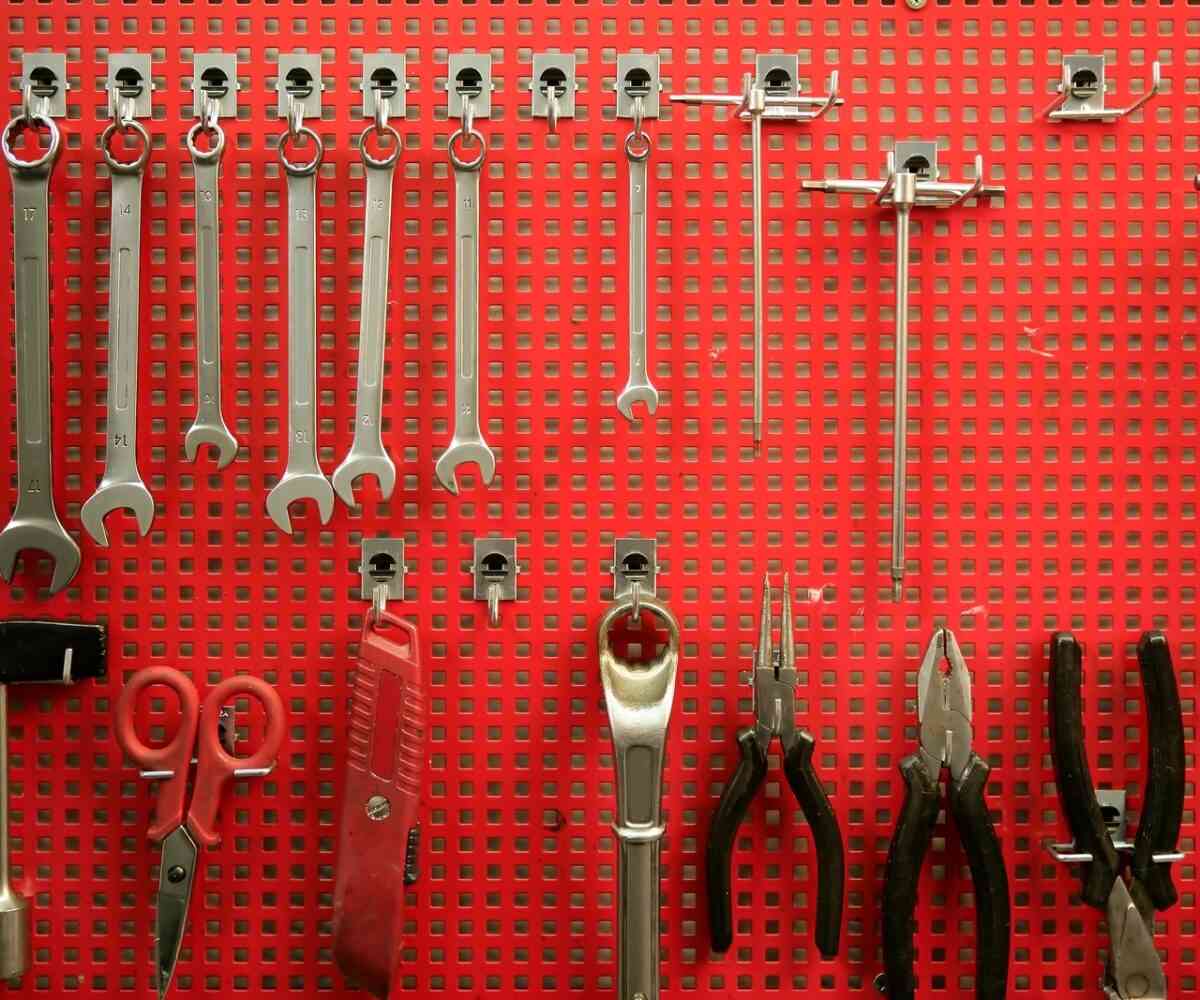
- Go vertical. Tools should never be stored on the ground. Invest in some shelving for smaller tools, or hang a pegboard along your workbench or on a wall in your garage. You’ll be able to hang things like wrenches, hammers, box cutters, garden equipment, and many other tools, so they’ll be easy to access at any time.
- Cover dangerous tools. Keep sharp tools, such as blades or saws, in sheaths or their holders. Don’t leave them exposed where you could cut yourself. It’s also smart to keep heavier tools low to the ground, such as on bottom shelving. This helps to avoid falling hazards.
- Protect your batteries. Create a designated charging station for all of your batteries and cordless tools. This can be as simple as a dedicated shelf near an outlet. You’ll also want to rotate which batteries get charged and used to prolong the life of each battery you own.
- Inspect and detect. Finally, always inspect your tools. If you start to see spots of rust, it is much easier to remedy it as it starts before rust and corrosion take over.
Additional Tips For Protecting Equipment During Long-Term Storage
If you're storing tools for several months or longer, taking a few extra precautions can help protect your investment and ensure everything is ready to use when you need it again.
Remove Batteries Before Storage
For cordless power tools, remove batteries before placing tools into storage. Batteries left attached to tools can slowly lose charge over time and may experience reduced performance. Store batteries in a cool, dry location away from direct sunlight and extreme temperatures whenever possible. Proper battery storage can help extend battery life and improve long-term performance.
Prevent Rust and Corrosion
Moisture is one of the biggest threats to hand tools and power tools alike. Before storing tools, wipe away dirt, grease, sawdust, and moisture. Applying a light coat of lubricant or rust inhibitor to metal surfaces can help prevent corrosion during storage. Keeping tools clean and dry before storing them can significantly extend their lifespan.
Organize Tools by Category
Organizing tools before storage makes them easier to find later and helps prevent damage. Store hand tools together, keep power tools in protective cases when available, and use labeled bins for accessories such as drill bits, screws, fasteners, and safety equipment. Pegboards, shelving systems, and tool chests can also help maximize space while keeping tools accessible.
Consider Climate-Controlled Storage
If you’re storing expensive tools, woodworking equipment, electronics, or precision instruments, climate-controlled storage can provide additional protection from temperature swings and humidity. This is especially beneficial in regions with hot summers, cold winters, or high humidity levels that can contribute to rust, corrosion, and material deterioration. Maintaining stable storage conditions is also important when preventing dry rot in stored tires, making climate control useful for garages or units that hold both tools and automotive equipment.
Store Hazardous Materials Separately
Many storage facilities prohibit the storage of flammable liquids, gasoline, propane tanks, and certain chemicals. Before placing any potentially hazardous materials into storage, review our guide on things you should not put in a self-storage unit to ensure you're following facility policies and safety best practices.
Self Storage for Contractors and Homeowners
Whether you're a contractor with specialized equipment, a homeowner tackling a renovation project, or a student storing belongings between semesters, having additional storage space can help keep tools organized and protected. Browse our Store National storage locations to find a convenient self-storage facility near you. Students looking for temporary storage solutions may also find our guide to summer storage for college students helpful when planning short-term storage needs.
Keep these tool storage ideas and tips in mind, and your tool collection will be organized and accessible for that next home project, whether it’s something big like putting an addition on your home or simply just finally fixing that leaky faucet!
Categories