
Why Climate-Controlled Storage Matters for Photographs
Why Climate-Controlled Storage Matters for Photographs
Alicia Aguirre
June 19th, 2026
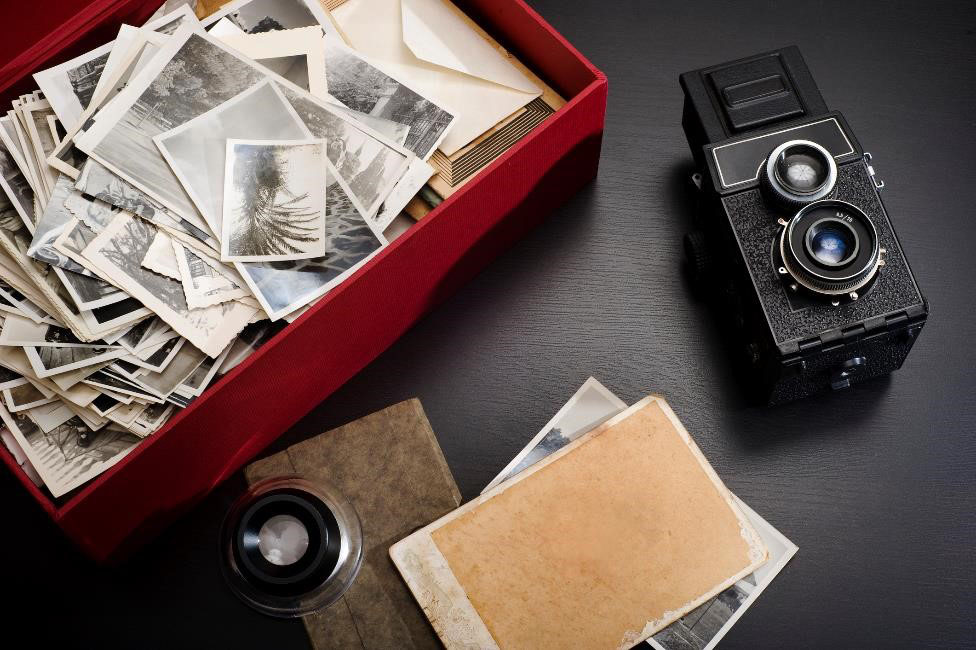
Photographs and photo albums are particularly vulnerable to environmental changes. Excessive heat, humidity, and fluctuating temperatures can cause photographs to fade, stick together, warp, or develop mold over time. If you're planning to store family photos, scrapbooks, or albums for several months or years, consider using a climate-controlled storage unit. Maintaining a more stable environment helps protect delicate materials from moisture damage and deterioration. This is especially important for older photographs, negatives, slides, and professionally printed images that may be difficult or impossible to replace.
Your photos represent your memories in physical form—which is why it’s important to understand how to store pictures properly. Knowing how to pack photo frames, their contents, and other photo-related memorabilia helps you preserve those precious memories for decades to come. Whether you need to know how to pack pictures for moving or just want to free up space in your home, follow these tips to keep your photos in tip-top shape.
Create Digital Backups Before Moving or Storing Photos
Before packing photographs for a move or placing them into storage, consider creating digital copies of your most important images. Scanning photographs and photo albums provides an additional layer of protection in case of unexpected damage, loss, or deterioration. Many smartphone apps and scanners make it easy to digitize printed photos, preserving family memories while making them easier to share with future generations. While digital backups shouldn't replace proper storage practices, they can provide valuable peace of mind for irreplaceable family keepsakes.
Organizing Your Photos
Many of us have photos stored in random places around our homes or in self storage units. Gather them all, and set aside a few hours to sort through and organize them. You might want to tackle this task alone; while getting the whole family involved makes for great bonding time, it also tends to slow the process. Decide whether any photos can be converted to digital form to save space.
How to Store Old Photographs and Vintage Photo Albums
Older photographs often require additional care because they may be printed on materials that are more sensitive to light, humidity, and physical handling. When storing vintage photographs:
- Use acid-free storage boxes whenever possible.
- Avoid rubber bands, tape, staples, or adhesive materials that can damage prints.
- Store photographs flat rather than folding or bending them.
- Separate loose photos with archival-quality paper.
- Keep albums upright if they are sturdy and well-bound.
- Handle photographs with clean, dry hands to minimize fingerprints and oils.
Taking these precautions can help preserve older images for decades.
Packing Pictures for Moving or Storage
Fill unused or partially full photo albums or scrapbooks with loose photos. Acid-free and lignin-free album pages are your best bet for protecting your photos; picture storage boxes made from this type of paper are also available.If you don’t want to invest in albums or boxes and need to know how to store pictures temporarily, consider placing them between the pages of heavy books or between two pieces of cardboard taped together. These methods will safeguard your photos during a move or before transferring them to a self storage unit.
Packing Photo Frames and Albums
Remove photos from their frames to protect them from potential broken glass. Wrap frames in bubble wrap, using enough to cushion them from being crushed by heavier items. These precautions are also useful for artists using self storage to protect framed prints, photographs, canvases, and other delicate pieces. Photo albums and scrapbooks are usually sturdy, but their sentimental value makes it a good idea to keep them with you during a move instead of placing them with other household items.
Accessible Self Storage Solutions in Michigan and Ohio
No matter if you’re moving or placing seldom-used items in self-storage for safekeeping, knowing how to store pictures helps protect a lifetime of memories from moving-van mishaps, damage from heavier boxes, and other hazards. We at National Storage are here to provide you with the knowledge you need—and a little peace of mind—in packing away your photos and frames. That’s why we offer climate-controlled storage units at many of our facilities in addition to indoor and drive-up spaces with convenient gate access hours. When you need a place to store personal belongings in Michigan or Ohio, rent your unit online today.
Common Mistakes to Avoid When Packing Pictures
Even well-intentioned packing efforts can lead to accidental damage. Avoid these common mistakes when preparing photographs for moving or storage:
Using Newspaper as Packing Material
Newspaper ink can transfer onto photographs and album covers, causing staining and discoloration. Use clean packing paper, acid-free tissue paper, or bubble wrap instead.
Overpacking Boxes
Photo albums can become surprisingly heavy. Overfilled boxes are more likely to tear, collapse, or cause damage to the contents. Use smaller boxes and distribute the weight evenly.
Storing Photos in Attics or Garages
Attics and garages often experience significant temperature fluctuations throughout the year. These conditions can accelerate fading, warping, and moisture-related damage. Climate-controlled environments are generally a safer option for long-term storage.
Leaving Photos Unprotected
Photographs should never be placed directly into storage boxes without some form of protection. Album covers, archival sleeves, acid-free paper, and sturdy containers can all help reduce wear and tear.
Packing Supplies Recommended for Photograph Storage
Using the right materials can make a significant difference when protecting valuable photos and albums. Recommended supplies include:
- Acid-free storage boxes
- Archival-quality photo sleeves
- Acid-free tissue paper
- Bubble wrap for framed photographs
- Corner protectors for frames
- Sturdy cardboard moving boxes
- Waterproof plastic containers for added protection
Choosing archival-quality materials can help prevent chemical reactions that may damage photographs over time.
Long-Term Storage Tips for Family Photo Collections
If you’re storing photos for an extended period, check on them periodically when possible. Inspect storage containers for signs of moisture, pests, or damage, and make sure photographs remain organized and protected. Many of the same steps used to preserve keepsakes and heirlooms, such as using archival materials, creating digital backups, and labeling containers, can help protect family photo collections. For especially valuable collections, create an inventory of albums, framed photographs, negatives, and digital copies to make retrieval easier.
Have More Questions?
Not sure where to start with self-storage? Finding the right facility, choosing the correct unit size, and organizing your belongings can feel overwhelming. Our Ultimate Self Storage Guide walks you through everything you need to know, from determining what fits in different unit sizes to tips for keeping your items in great condition.
Categories